طحن CBN باستخدام الحاسوب: التكلفة الخفية للتحميل بالعجلات؟
It's 2 a.m. on a Tuesday, and the production line is down. Again. The CNC CBN grinding machine that was supposed to run for another six hours has stopped, and the operator is staring at a glazed wheel that's rubbing instead of cutting. The parts coming off are burning, the surface finish is garbage, and the scrap bin is filling up. If this sounds familiar, you're not alone. In fact, this exact scenario plays out in shops around the world every single day. The culprit? Wheel loading. And the solution? It's not just about buying a new machine—it's about understanding the hidden costs and the technical levers that can eliminate this problem for good.
At NANTONG LUCUBRATE MACHINERY TECHNICAL LTD., we've spent years working with manufacturers who face these exact issues. We've seen how a poorly managed grinding process can eat into profits, frustrate operators, and delay deliveries. But we've also seen how the right approach—combining advanced machine design, smart process parameters, and a deep understanding of CBN technology—can transform a struggling operation into a model of efficiency. In this blog, we'll dive deep into the pain points, the solutions, and the real-world results that prove it's possible to win the battle against wheel loading.

Pain Point 1: Wheel Loading – The Silent Productivity Killer
Wheel loading occurs when metal chips and debris become embedded in the pores of the CBN wheel, creating a glazed surface that rubs rather than cuts. The immediate effect is a dramatic increase in grinding forces, which leads to higher power consumption, elevated temperatures, and poor surface finish. But the downstream consequences are even more severe. Operators must stop the machine to dress the wheel, often every few parts, which destroys productivity. In a high-volume automotive shop, for example, a single dressing cycle can take 10-15 minutes, and if it happens every 20 parts, you're losing nearly 50% of your available machining time. That's not just inconvenient—it's a massive cost.
Let's put numbers to it. Suppose you're grinding a hardened steel shaft with a CBN wheel. Under normal conditions, you might get 500 parts between dressings. But if loading occurs, that number can drop to 50. Each dressing cycle costs you not only the time but also the wheel wear—CBN wheels are expensive, and every dressing operation removes a layer of abrasive. Over a year, the cost of extra dressing, lost production, and scrapped parts can easily exceed $100,000 for a single machine. And that's before you factor in the overtime needed to catch up on delayed orders.
Pain Point 2: Thermal Damage – When Heat Ruins the Part
Closely related to wheel loading is thermal damage. When the wheel is loaded, friction increases, and the heat generated can cause burning, tempering, and even micro-cracks in the workpiece. For critical components like fuel injector bodies or aerospace bearings, any thermal damage is a death sentence—the part is scrap. But even for less critical parts, thermal damage can lead to rejected batches, customer complaints, and costly rework. In one case, a manufacturer of hydraulic valves was experiencing a 15% scrap rate due to burning, which translated to $200,000 in lost revenue annually. The root cause was a combination of improper coolant delivery and wheel loading that went undetected until the parts were inspected.
The problem is that thermal damage is often invisible to the naked eye. You might not see the burn until after heat treatment or in the final assembly. By then, you've wasted not only the grinding time but also the value added in previous operations. This is why prevention is critical—and why the grinding process must be tightly controlled.
Pain Point 3: Inconsistent Results – The Difficulty of Scaling
Even if you manage to avoid loading and thermal damage, inconsistency can plague your production. One day the wheel performs perfectly, the next day it's acting up. This variability often stems from factors like wheel dressing technique, coolant quality, or machine rigidity. For companies scaling up production or transferring a process to a new facility, these inconsistencies become magnified. A tier-one automotive supplier in Germany, for instance, struggled to replicate the success of their pilot line when they moved to a new plant. The same machine, same wheel, same parameters—but different results. The culprit was subtle differences in coolant concentration and filtration, which led to loading and thermal issues. It took months of troubleshooting to get back on track, costing the company valuable time and resources.
Inconsistency also affects your ability to predict tool life and schedule maintenance. If you never know when the wheel will fail, you either over-dress (wasting wheel life) or under-dress (risking scrap). Neither is good for the bottom line.
Solution 1: Advanced Dressing Techniques
The first line of defense against wheel loading is proper dressing. But not all dressing methods are created equal. Traditional single-point diamond dressing is often insufficient for CBN wheels, especially in high-volume applications. Instead, we recommend using rotary diamond dressers or diamond form rolls that can create a sharper, more open wheel topography. This reduces the tendency for chips to embed and extends the time between dressings. Additionally, using a controlled dressing depth and speed can prevent over-dressing, which wastes wheel material.
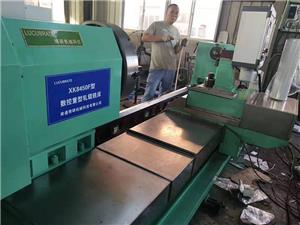
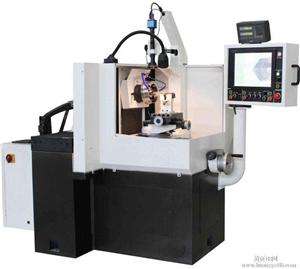
At NANTONG LUCUBRATE MACHINERY TECHNICAL LTD., our CNC CBN grinding machines are equipped with advanced dressing systems that can be programmed to optimize wheel condition. For example, our machines feature automatic dressing cycles that adjust parameters based on real-time monitoring of grinding forces. This ensures that the wheel is always in peak condition without operator intervention. In one customer trial, this technology reduced dressing frequency by 60% and increased wheel life by 30%.
Solution 2: Coolant Strategy – More Than Just Flooding
Coolant plays a critical role in preventing loading and thermal damage. But simply flooding the zone is not enough. The coolant must be delivered at the right pressure, velocity, and angle to penetrate the grinding zone and flush away chips. High-pressure coolant (70-100 bar) directed through the wheel or at the grinding interface can dramatically reduce loading. Additionally, the coolant type and concentration matter. For CBN grinding, we recommend using a high-quality synthetic coolant with good lubricity and cleaning properties. Filtration is also essential—if the coolant is dirty, it will carry debris back into the grinding zone, exacerbating loading.
Our machines are designed with integrated high-pressure coolant systems and advanced filtration to ensure that the coolant is always clean and effective. In a case study with a US manufacturer of medical instruments, switching to our coolant strategy reduced thermal damage from 12% to less than 1%, saving over $150,000 annually.
Solution 3: Machine Design – Rigidity and Precision
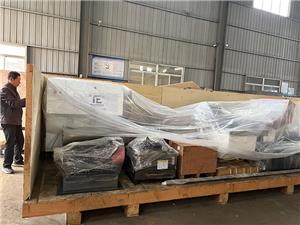
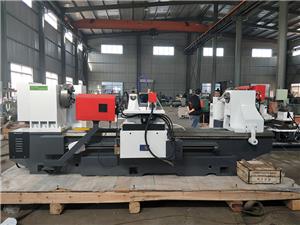
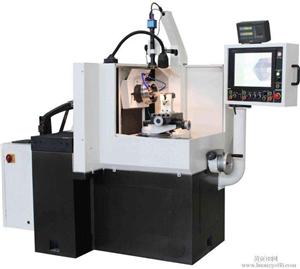
Finally, the machine itself must be designed to minimize vibration and ensure precise control. A rigid machine with high damping characteristics can maintain consistent grinding conditions even as the wheel wears. This is where our expertise at NANTONG LUCUBRATE MACHINERY TECHNICAL LTD. shines. Our CNC CBN grinding machines are built with a cast iron base, linear guides, and direct-drive motors to provide exceptional stability. We also incorporate advanced CNC controls that allow for adaptive grinding—automatically adjusting feed rates based on force feedback to prevent loading and thermal damage.
One of our customers, a Japanese manufacturer of automotive transmission gears, was struggling with inconsistent results on their old machines. After installing our CNC CBN grinding machine, they achieved a 40% reduction in cycle time and a 25% improvement in surface finish consistency. The machine's rigidity and precise control eliminated the variability that had plagued their production.
Customer Cases: Real Results from Around the World
Let's look at some specific examples of how these solutions have transformed operations for our customers.
Case 1: Germany – Automotive Tier One Supplier
آقای کلاوس وبر، مدیر تولید در یک تامینکننده پیشرو خودرو در اشتوتگارت، به دلیل آسیب حرارتی با نرخ ضایعات ۱۵٪ در قطعات فولادی سختشده مواجه بود. پس از اجرای استراتژی خنککننده پیشنهادی ما و ارتقاء دستگاه سنگزنی CNC CBN با کنترل تطبیقی، نرخ ضایعات به ۲٪ کاهش یافت. آقای وبر میگوید: "ثباتی که به آن دست یافتهایم قابل توجه است. ما دیگر نگران سوختن نیستیم و اپراتورهای ما میتوانند به جای اینکه دائماً چرخ را تمیز کنند، روی کارهای دیگر تمرکز کنند."
مورد ۲: ایالات متحده آمریکا – تولیدکننده تجهیزات پزشکی
در اوهایو، یک شرکت تجهیزات پزشکی با مشکل بارگذاری چرخ روی ایمپلنتهای فولادی ضد زنگ مواجه بود. پانسمان هر 30 قطعه، بهرهوری آنها را از بین میبرد. ما آنها را با سیستم خنککننده فشار بالا و پانسمان چرخشی خود آشنا کردیم که فواصل پانسمان را به 200 قطعه افزایش داد. خانم سارا تامپسون، مهندس تولید، میگوید: "بهبود در توان عملیاتی، انقلابی بوده است. ما بدون اضافه کردن شیفت دوم، 35 درصد افزایش تولید داشتهایم."
مورد ۳: ژاپن - تولیدکننده بلبرینگ دقیق
یک تولیدکننده یاتاقان در ناگویا با مشکل پرداخت سطحی ناهموار در حلقههای یاتاقان مواجه بود که منجر به شکایت مشتریان میشد. راهحل ما شامل یک بازنگری کامل در فرآیند، از جمله بهبود استحکام دستگاه و بهینهسازی پرداختکاری بود. نتیجه: کاهش ۵۰ درصدی تغییرات زبری سطح. آقای هیروشی تاناکا، مدیر کیفیت، میگوید: «اکنون ما اطمینان داریم که تلرانسهای خود را تضمین کنیم. همکاری با NANTONG LUCUBRATE بسیار ارزشمند بوده است.»
مورد ۴: چین – تأمینکننده قطعات هیدرولیک
در شانگهای، یک تولیدکننده شیر هیدرولیک به دلیل سوختن با نرخ رد شدن ۲۰٪ مواجه بود. پس از یک ممیزی کامل، ترکیبی از فیلتراسیون مایع خنککننده و تغییرات مشخصات چرخ را توصیه کردیم. نرخ رد شدن به ۳٪ کاهش یافت و سالانه بیش از ۳۰۰۰۰۰ دلار برای شرکت صرفهجویی شد. آقای لی وی، مدیر کارخانه، میگوید: «پشتیبانی فنی که دریافت کردیم استثنایی بود. آنها فقط یک دستگاه به ما نفروختند؛ آنها مشکل ما را حل کردند.»
درخواستها و مشارکتها
دستگاههای سنگزنی CNC CBN ما در طیف وسیعی از کاربردها، از اجزای سیستم انتقال قدرت خودرو گرفته تا یاتاقانهای هوافضا و ابزار پزشکی، استفاده میشوند. ما از نزدیک با تأمینکنندگان و تولیدکنندگان اصلی تجهیزات (OEM) در سراسر جهان، از جمله شرکتهایی مانند Bosch، Denso و SKF، که برای عملیات سنگزنی حیاتی خود به فناوری ما متکی هستند، همکاری میکنیم. این مشارکتها بر اساس تعهد مشترک به کیفیت و نوآوری بنا شدهاند. با همکاری با این رهبران صنعت، ما به طور مداوم دستگاههای خود را برای برآورده کردن نیازهای در حال تحول تولید مدرن، بهبود میبخشیم.
برای مثال، همکاری ما با یک تأمینکننده بزرگ اروپایی خودرو منجر به توسعه یک راهحل سنگزنی سفارشی برای شفتهای موتور خودروهای برقی شد. الزامات سختگیرانه بودند: دقت بالا، عدم آسیب حرارتی و توان عملیاتی بالا. تیم مهندسی ما با مشتری همکاری نزدیکی داشت تا دستگاهی با سیستم خنککننده تخصصی و نظارت در حین فرآیند طراحی کند. نتیجه، افزایش 30 درصدی بهرهوری و کاهش 50 درصدی مصرف چرخ بود.
سوالات متداول: سوالات فنی از مهندسان و مدیران تدارکات
سوال ۱: عمر مفید معمول چرخ سنگزنی CBN چقدر است و چگونه میتوانم آن را به حداکثر برسانم؟
الف) عمر چرخ بسته به کاربرد متفاوت است، اما با استراتژیهای مناسب دریلکاری و خنککاری، میتوانید به طول عمر قابل توجهی دست یابید. به عنوان مثال، در سنگزنی فولاد سختشده، یک چرخ CBN که به خوبی نگهداری شود میتواند هزاران قطعه را دوام بیاورد. برای به حداکثر رساندن عمر، از دریل چرخشی استفاده کنید، خنککننده را تمیز نگه دارید و از عمق بیش از حد دریلکاری جلوگیری کنید. دستگاههای ما میتوانند با بهینهسازی خودکار پارامترهای دریلکاری به شما کمک کنند.
Q2: آیا ماشینهای شما میتوانند هم از CBN و هم از الماس استفاده کنند؟
A2: بله، ماشینهای سنگزنی CNC ما طوری طراحی شدهاند که هم با سایندههای CBN و هم با سایندههای الماسی سازگار باشند. سیستم کنترل شامل پارامترهای اختصاصی برای هر کدام است که عملکرد بهینه را صرف نظر از نوع چرخ تضمین میکند.
س ۳: چگونه بفهمم که مایع خنککنندهام باعث بارگذاری میشود؟
A3: علائم شامل افزایش نیروهای سایش، پرداخت سطح ضعیف و لعاب قابل مشاهده روی چرخ است. همچنین میتوانید غلظت و فیلتراسیون مایع خنککننده را کنترل کنید. اگر مطمئن نیستید، مهندسان ما میتوانند ممیزی مایع خنککننده را انجام داده و بهبودهایی را توصیه کنند.
سوال چهارم: چه نوع آموزش و پشتیبانی ارائه میدهید؟
A4: ما آموزش جامعی را برای اپراتورها و کارکنان تعمیر و نگهداری، چه در محل کارخانه و چه در محل، ارائه میدهیم. علاوه بر این، تیم پشتیبانی فنی ما 24 ساعته و 7 روز هفته برای کمک به هرگونه مشکل در دسترس است. ما همچنین خدمات بهینهسازی فرآیند را ارائه میدهیم تا اطمینان حاصل شود که شما بیشترین بهره را از دستگاه خود میبرید.
Q5: زمان تحویل برای یک دستگاه سنگ زنی CNC CBN سفارشی چقدر است؟
A5: زمان تحویل بسته به مشخصات متفاوت است، اما معمولاً بین 12 تا 16 هفته متغیر است. ما در طول مرحله طراحی با شما همکاری نزدیکی داریم تا اطمینان حاصل کنیم که دستگاه دقیقاً مطابق با نیازهای شما است.
نتیجهگیری: فرآیند سنگزنی خود را کنترل کنید
بارگذاری چرخ و آسیب حرارتی نباید یک واقعیت زندگی باشند. با فناوری و تخصص مناسب، میتوانید به نتایج پایدار و با کیفیت بالا دست یابید و در عین حال هزینهها و زمان از کارافتادگی را کاهش دهید. در شرکت NANTONG LUCUBRATE MACHINERY TECHNICAL LTD.، ما متعهد به کمک به شما در حل این چالشها هستیم. چه به دنبال ارتقاء یک دستگاه موجود باشید و چه بخواهید روی یک دستگاه جدید سرمایهگذاری کنید، تیم ما آماده کمک به شماست.
برای کسب اطلاعات بیشتر در مورد راهکارهای ما، از شما دعوت میکنیم تا گزارش فنی ما با عنوان "بهینهسازی سنگزنی CBN برای تولید با حجم بالا" را دانلود کنید که شامل تجزیه و تحلیل عمیق و مطالعات موردی است. یا برای بحث در مورد کاربرد خاص خود، مستقیماً با مهندسان فروش ما تماس بگیرید. اجازه ندهید بارگذاری چرخ، سود شما را متوقف کند - همین امروز اقدام کنید.